Training Systems / Functional Fitness
Functional Fitness
Multi-plane movement training that transfers directly to daily life.
Overview
What Functional Fitness looks like in practice.
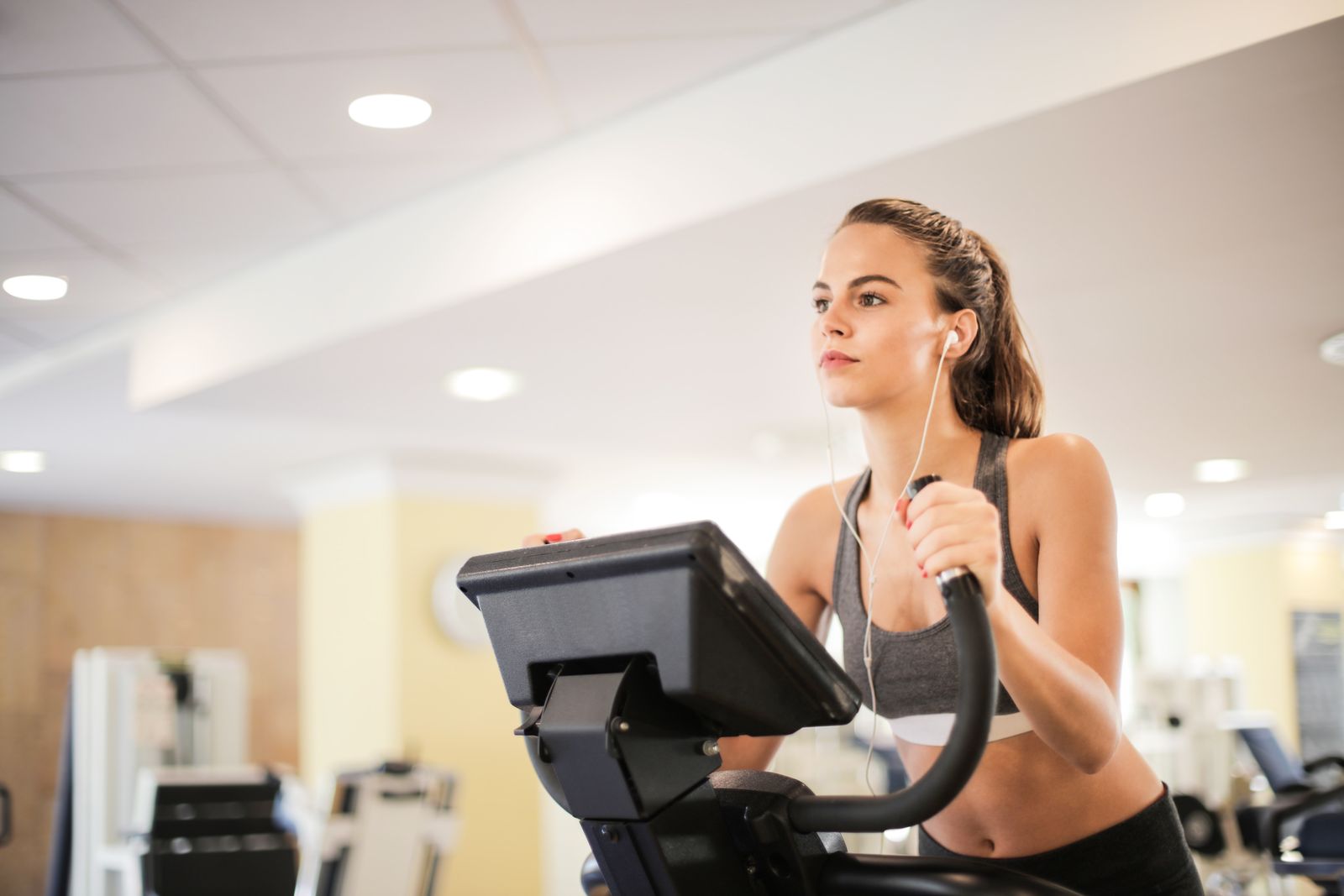
Functional Fitness sessions train movement patterns — push, pull, hinge, carry, rotate — rather than isolated muscles, building capacity that shows up in daily life and sport.
Benefits
Why members choose Functional Fitness.
- Coached small-group format with individualized load
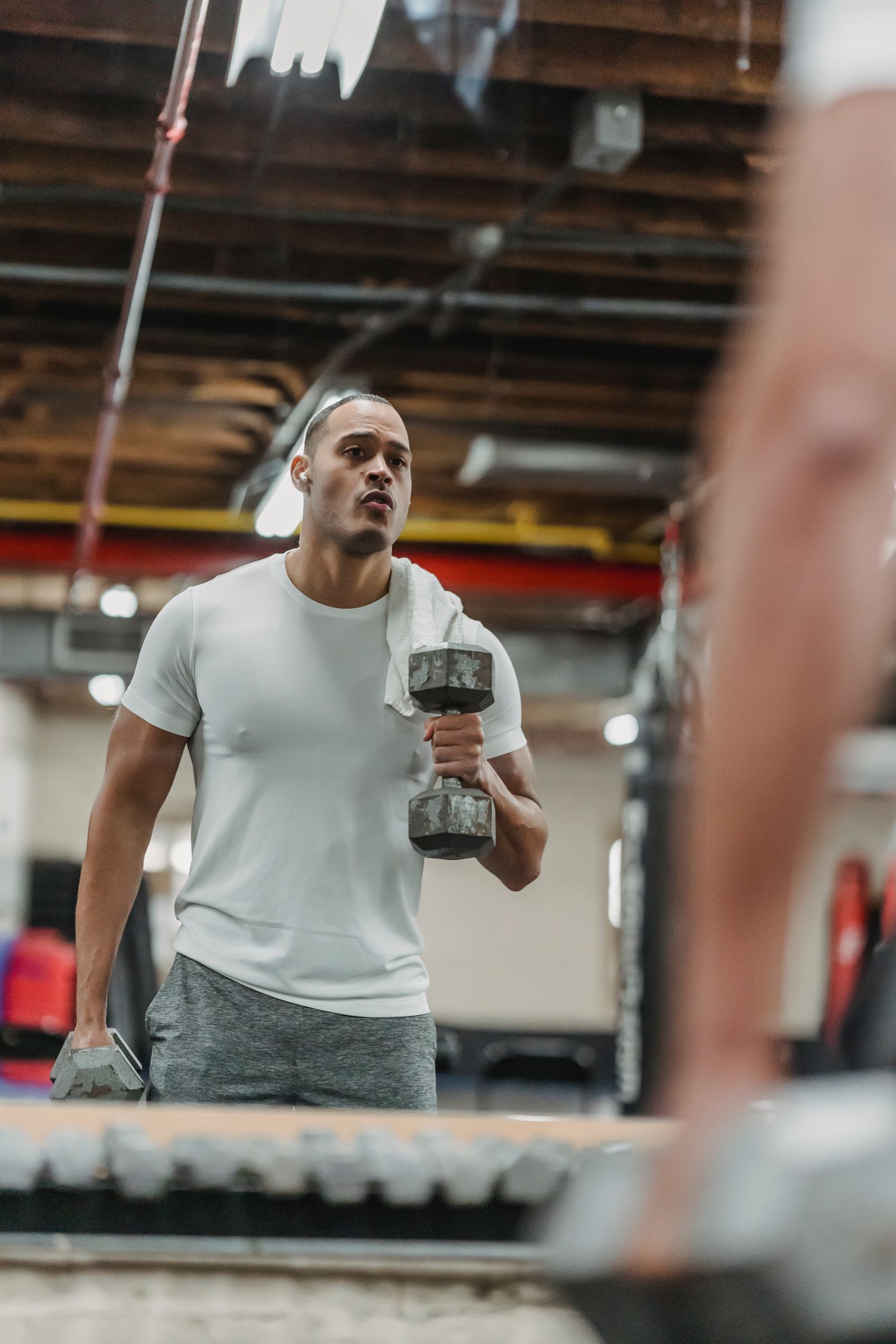
- Movement variety across equipment: kettlebells, sleds, cables, bands
- Conditioning built into strength work, not treated separately
- Suitable for a wide range of starting fitness levels
Training Methodology
How your coach builds the program.
Sessions are structured around a movement pattern focus for the week, layering complexity as competency builds. Coaches regress or progress any exercise in real time based on how you're moving that day.
Gallery
Inside Functional Fitness.
FAQ
Common questions about Functional Fitness.
Yes. Every program begins with an assessment so your coach can scale intensity and complexity to your current level, regardless of experience.
Session frequency depends on your goals and membership tier. Your coach will recommend a cadence during your initial consultation.
Most members combine Functional Fitness with complementary programs such as Recovery or Mobility. Your coach can help coordinate scheduling across programs.
Related Programs
Often paired with Functional Fitness.
Strength Training
Progressive loading and structural strength work, coached with precision.
Explore programPersonal Training
One-to-one coaching, fully shaped around your goals and schedule.
Explore programMobility
Dedicated joint and tissue work to protect long-term training capacity.
Explore programGet Started